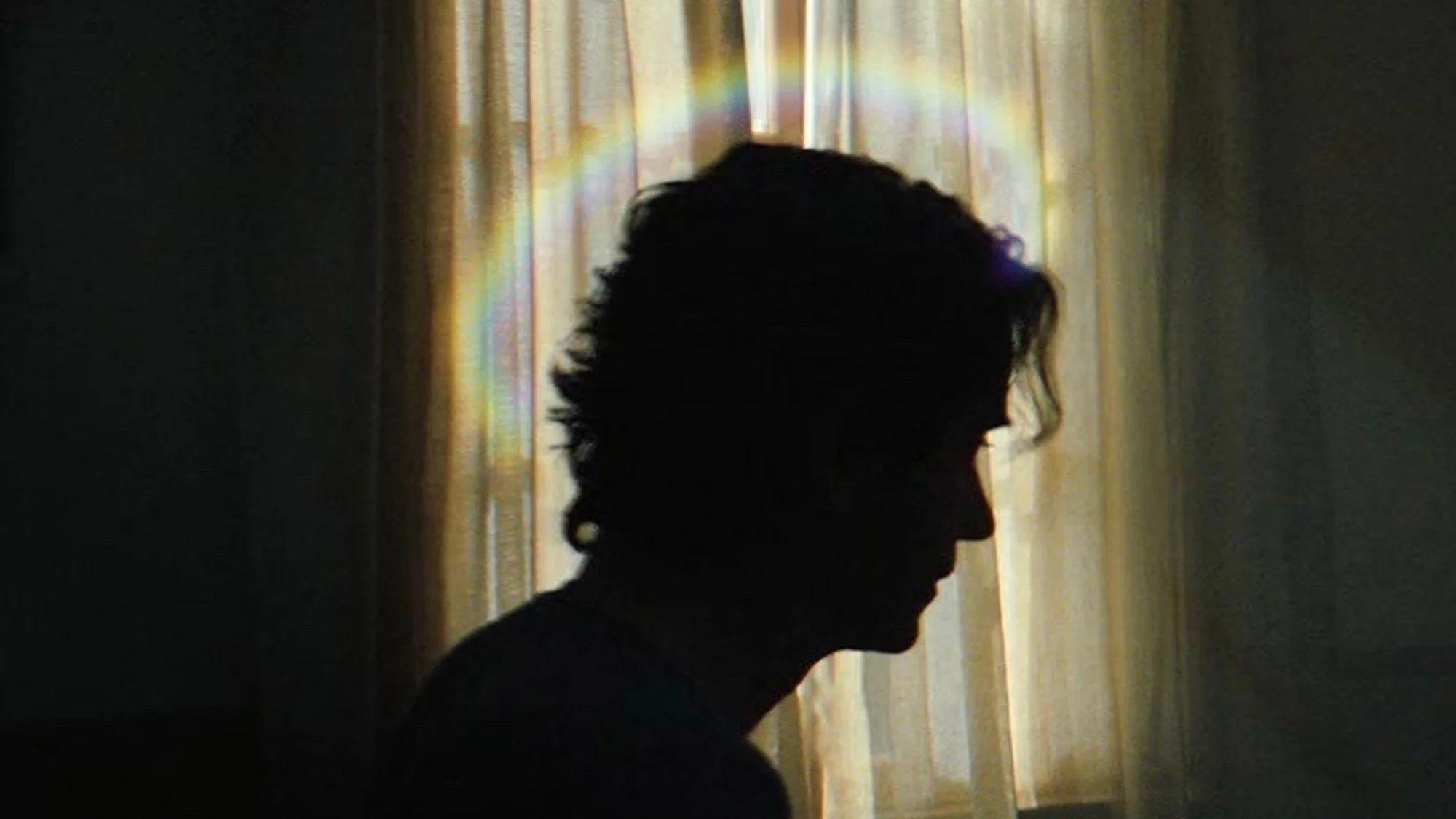
"The arrival of a charismatic young priest brings glorious miracles, ominous mysteries and renewed religious fervor to a dying town desperate to believe."
10/10
2/10
8/10
10/10
10/10
10/10
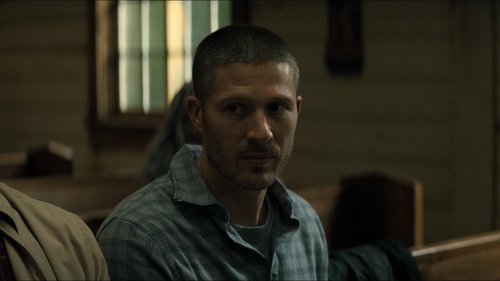
Sep 24, 2021
Riley Flynn returns home to family dysfunction, familiar faces and a new priest at St. Patrick's. Elsewhere on the island, a dark storm is brewing.
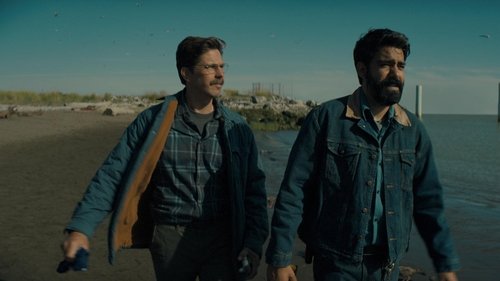
Sep 24, 2021
An unsettling omen washes ashore in the wake of the storm. Later, when the locals gather for a potluck, tragedy strikes — and a miracle occurs.
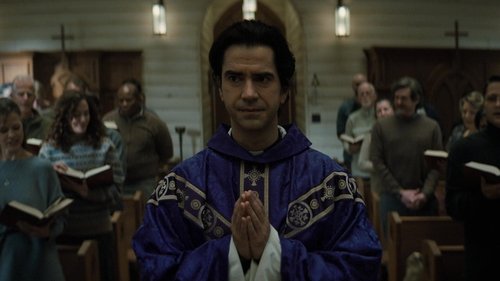
Sep 24, 2021
Miraculous times leave residents stunned as Leeza pays Joe an important visit. A shocking confession reveals what really happened to Monsignor Pruitt.
Sep 24, 2021
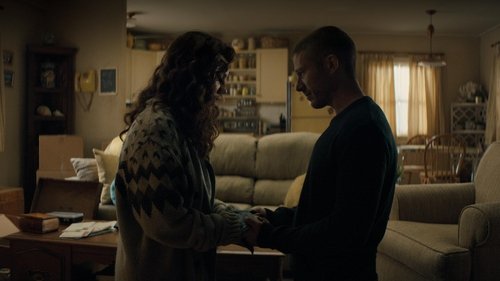
Erin turns to Riley after receiving upsetting news. Father Paul starts experiencing disturbing side effects. Bev makes a startling discovery.
Sep 24, 2021
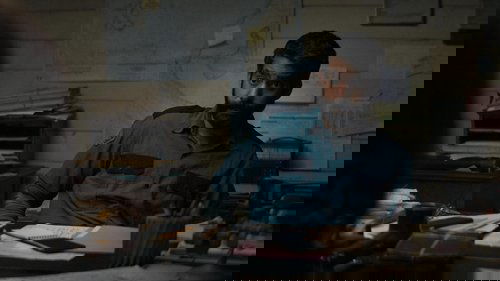
Sheriff Shabazz fields multiple missing persons reports as the town prepares to gather for Good Friday. To protect Erin, Riley brings the truth to light.
Sep 24, 2021
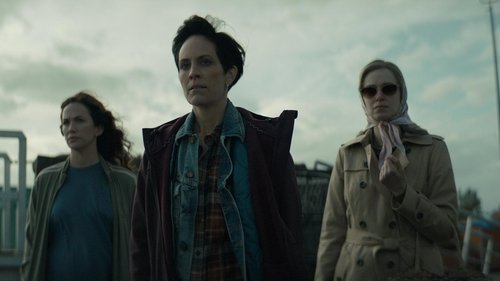
A fervent Bev calls for faith on the night of Easter vigil. Sarah reveals the results of a troubling experiment — along with a sobering hypothesis.
Sep 24, 2021
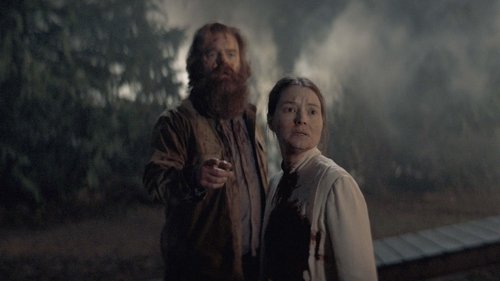
Night falls on Crockett Island as a tight-knit group of rebels take refuge where they can and forge a plan to control the chaos.
Drink from Me and Live Forever: The Terrifying Ecstasy of Blind Faith
There is a profound, intoxicating terror in the absolute certainty of the devout. With Midnight Mass, Mike Flanagan transcends the traditional boundaries of the genre to deliver what is undoubtedly one of the finest horror series of all time. It is a staggering, meticulously constructed epic that wrestles with faith, grief, and the agonizing silence of God. By isolating his narrative on the dying, claustrophobic fishing community of Crockett Island, Flanagan creates a cinematic pressure cooker where desperation paves the way for damnation. He is a master of emotionally stimulating horror, and here he proves it once again, crafting a profoundly moving tragedy that also happens to be one of the most brilliant, subversive pieces of vampire media ever committed to screen.
The genius of Midnight Mass lies in its central, blasphemous conceit: the reframing of a parasitic monster as a divine emissary. The traditional lore of the vampire—the consumption of blood for eternal life, the aversion to sunlight, the hypnotic allure—is seamlessly, terrifyingly mapped onto Catholic scripture and the sacrament of Communion. It is an incredibly fun, deeply disturbing concept to watch play out. When the enigmatic Father Paul Hill (Hamish Linklater) arrives on the island bringing literal miracles, the town's desperate congregation does not see an ancient, winged predator from the dark; they see an angel of the Lord. The horror does not stem from a creature hunting in the shadows, but from a community willingly, joyously offering their throats to the altar under the blinding lights of the church.
This descent into religious zealotry is paced with an incredibly deliberate, methodical rhythm. The slow burn of Midnight Mass is not a flaw; it is absolute perfection. Flanagan understands that to truly devastate an audience, you must first make them fall deeply in love with the doomed. He takes his time establishing the geography of the island and the deep-seated regrets of its inhabitants. This patient escalation is mirrored flawlessly in Father Paul’s sermons. What begins as comforting, orthodox homilies gradually warps into feverish, apocalyptic fanaticism. We watch the sermons escalate in real-time, matching the rising tide of supernatural dread, until the pulpit becomes a literal staging ground for a blood-soaked holy war.
Hamish Linklater delivers a performance of such spellbinding, tragic charisma that it anchors the entire series. His Father Paul is not a malicious villain, but a man blinded by his own desperate need to save the woman he loves, confusing an ancient curse with divine grace. Opposite him is Samantha Sloyan as Bev Keane, who provides a masterclass in the banality of evil. Bev is a far more terrifying monster than the winged creature lurking in the abandoned houses; she is the self-righteous fanatic who twists scripture to justify her own cruelty and prejudice. The collision between these characters, alongside the deeply grounded, tragic romance of Riley Flynn (Zach Gilford) and Erin Greene (Kate Siegel), provides the emotional devastation that elevates the series into a masterpiece.
To discuss Midnight Mass is to address its most distinctive narrative weapon: its dialogue. This series boasts some of the sharpest, most profoundly affecting writing in modern television. There is a vocal subset of viewers who complain about the show’s extensive monologues, mistaking deliberate philosophical inquiry for padding. Let us be entirely clear: we love the monologues. They are not in the least bit boring. They are the soaring, lyrical lifeblood of the show. When Riley and Erin sit in a quiet room and deliver opposing, mesmerizing soliloquies on what happens to our bodies and souls after we die, it is paralyzingly beautiful. These extended conversations operate as intimate sermons of their own, forcing the audience to grapple with the terrifying vastness of the cosmos and the profound beauty of human impermanence.
Midnight Mass thrives in its niche charm. It refuses to adhere to the fast-paced, action-heavy mandates of modern supernatural thrillers. Instead, it asks heavy, bleeding questions about the nature of fanaticism, the intoxicating allure of eternal life, and the horrific lengths people will go to in order to avoid the finality of death. Flanagan has created an emotionally devastating hymn of a series. It is a slow, methodical hymn that builds into a deafening, fiery crescendo, leaving the viewer entirely breathless, spiritually drained, and staring out into the dark waters, wondering what kind of gods we are truly praying to in the dark.