10/10
3/10
6.5/10
10/10
10/10
10/10
The Dial-Up Tone of the Damned: A Masterclass in Existential Isolation
Kiyoshi Kurosawa’s Pulse (Kairo) does not merely aim to frighten you; it intends to completely, methodically isolate you. In the sprawling pantheon of horror cinema, there are films designed to jolt the nervous system and films engineered to churn the stomach. Pulse, however, executes a far more insidious and devastating maneuver: it quietly implants the idea of a horrific, inescapable loneliness, and then slowly drains away every ounce of your hope until you are left spiritually and emotionally parched. It is a profoundly creepy, visceral experience that operates on a frequency of pure dread. The very concept of the film—that the afterlife has reached full capacity, causing the dead to spill over into the realm of the living through the internet—sets a harrowing, existential bar from its opening minutes. Incredibly, Kurosawa just keeps raising that bar, transforming a ghost story into a terminal diagnosis for modern humanity.
The horror of Pulse is rooted in the dawn of the digital age, yet its terrifying implications have only ripened with time. Kurosawa equates the technological revolution not with global connection, but with a profound, suffocating severance of human ties. The ghosts in this film do not want to tear you apart; they want to share their eternal, agonizing loneliness with you. They are manifestations of our own modern depression, transmitted through dial-up modems and grainy, pixelated webcams. When the characters stare into their glowing monitors, they are staring into a void that is staring right back, offering them a quiet, terrible invitation to simply fade away.
Kurosawa’s filmmaking is notoriously, beautifully hypnotic. He utilizes an incredibly patient, almost lethargic pacing that lulls the viewer into a state of vulnerable trance. The dread is atmospheric and heavy, built through negative space and suffocating silence. There is a staggering moment in the film that perfectly encapsulates Kurosawa’s unmatched control over his audience: we are presented with a simple shot of a balcony, looking out at a set of curtains. That is all. Yet, because Kurosawa has so completely locked you into the paralyzing rhythm of the scene, the mere, mundane fluttering of that curtain makes your heart skip several beats. It is a breathtaking display of cinematic power. Not every filmmaker can achieve this level of supreme, invisible control, turning a gentle breeze into a source of heart-stopping terror.
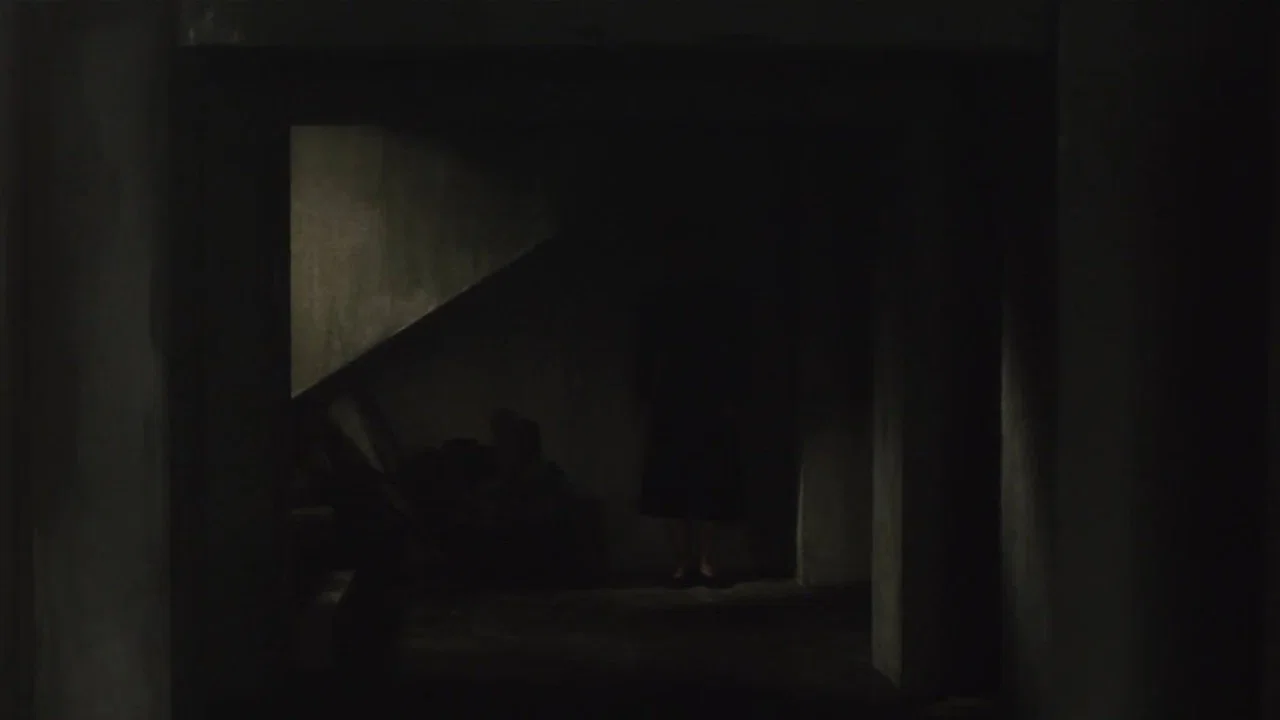
The visual language of the film is steeped in a decayed, muted industrial dread. Tokyo is framed as a sprawling, concrete labyrinth that is already entirely dead, long before the characters even realize it. Kurosawa shoots his interiors with a sickly, washed-out green and gray palette, heavily utilizing shadows that seem to possess their own physical gravity. The iconic imagery of doors sealed shut with red tape acts as a grim warning system, but the true terror lies in what happens when those doors are inevitably opened. When the spirits finally manifest, they do not leap at the lens. They move with an unnatural, staggering, slow-motion gait that feels fundamentally wrong to the human eye. The famous sequence of a phantom woman walking towards the camera, stumbling slightly as if fighting against the physics of our reality, is one of the most chilling, nightmare-inducing pieces of physical acting ever captured on film.
Pulse is a film that weaponizes despair. It eschews the comfort of loud, cathartic scares in favor of a quiet, creeping apocalypse. It suggests that the end of the world will not arrive with fire and brimstone, but with the quiet fading of a screen, leaving behind nothing but black ash and shadows stained against the wall. It is an exhaustive, haunting exploration of what it means to be truly alone in a crowded world. You do not simply watch Pulse; you absorb its cold, digital melancholy, walking away from the screen feeling uniquely vulnerable, deeply unsettled, and forever changed by its quiet, devastating power.