10/10
5/10
10/10
10/10
10/10
10/10
The Suffering Made Transcendent: When Horror Becomes Unbearable Truth
Pascal Laugier's Martyrs doesn't simply disturb—it fundamentally violates something in the viewer, creating an experience so viscerally devastating that it transcends entertainment to become genuine ordeal. This is horror at its most uncompromising and philosophically ambitious, a film that uses extreme violence not for titillation or shock value but as vehicle for exploring profound questions about suffering, transcendence, and what human beings are willing to do in pursuit of ultimate knowledge. The film's power comes not from gore itself—though it delivers that in nauseating abundance—but from the emotional and philosophical weight behind every act of violence, the sense that we're witnessing genuine pain inflicted for terrible purpose. This is French Extremity at its most genuinely extreme, a work that makes you feel complicit in horrors you can't look away from.
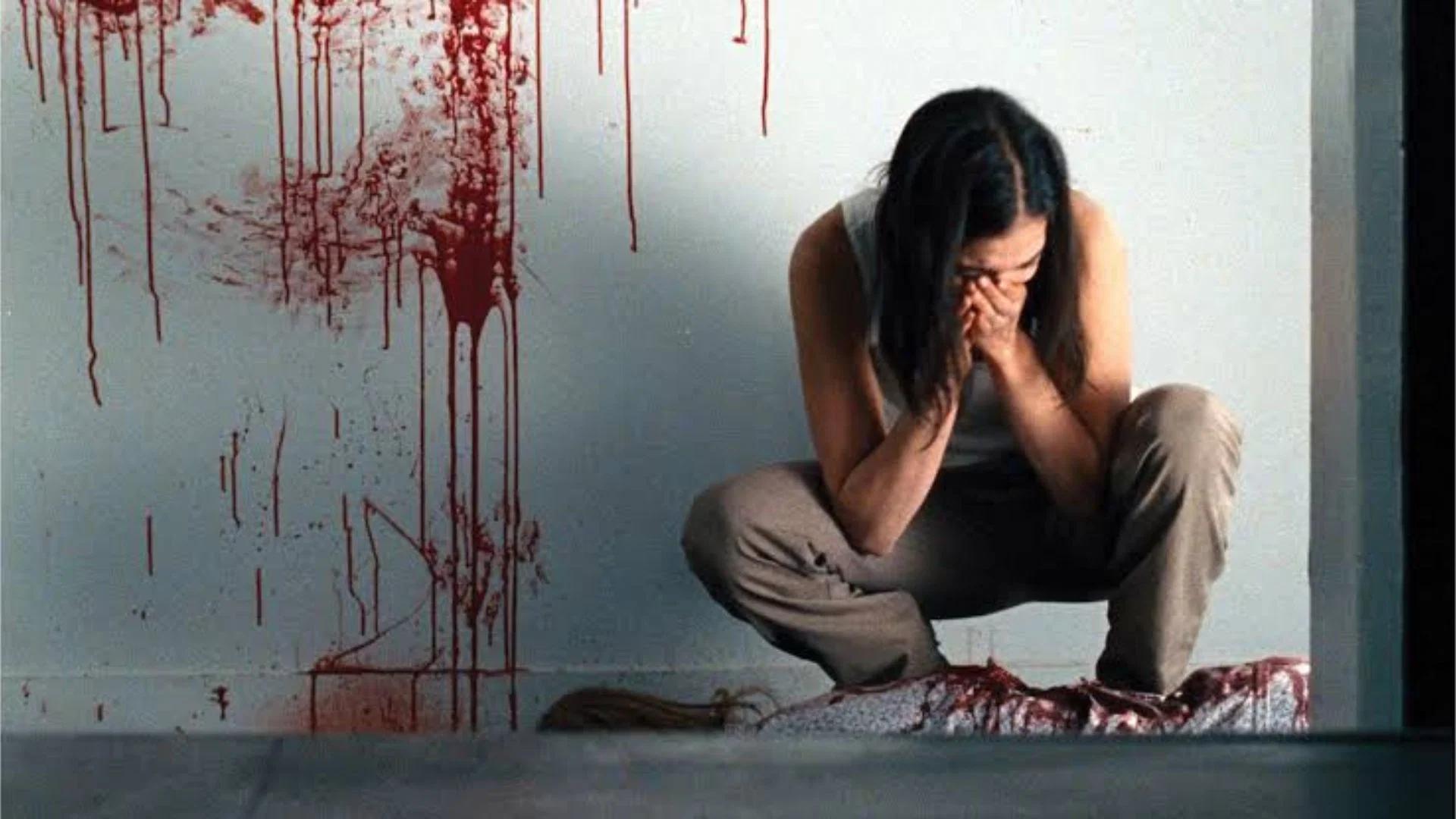
The film operates in two distinct halves, both devastating in different ways. The first follows Lucie, a young woman seeking revenge on the family who tortured her as a child, her quest complicated by the presence of a terrifying creature that may be hallucination or supernatural manifestation of her trauma. The second half shifts to her friend Anna, who discovers the conspiracy behind Lucie's torture and becomes the next victim of an organization seeking to create martyrs—individuals who have suffered so completely that they transcend human existence and glimpse the afterlife.
Morjana Alaoui and Mylène Jampanoï deliver performances of such raw, unflinching commitment that watching them becomes almost unbearable. Jampanoï as Lucie creates a character whose trauma has literally split her psyche, her guilt and self-loathing made manifest in the creature that torments her. The physical performance—the feral desperation, the exhausted terror—feels absolutely authentic. Alaoui as Anna undergoes a transformation that represents one of cinema's most harrowing portrayals of systematic dehumanization, her journey from innocent friend to brutalized martyr requiring total emotional and physical surrender to the role.
Laugier's visual language is clinical and unflinching, refusing to aestheticize violence or provide comfortable distance from suffering. The camera observes atrocities with patient, documentary-like directness that makes escape impossible. Unlike torture porn that revels in suffering for spectacle, Martyrs presents violence as genuinely sickening—something that should horrify rather than entertain. The framing creates no safety, no relief, forcing viewers to experience Anna's degradation as sustained assault on both her body and our capacity to witness.
The first half's creature sequences demonstrate Laugier's understanding that psychological horror and physical violence can amplify each other. The thing tormenting Lucie—emaciated, metallic-mouthed, moving with inhuman spasms—feels like trauma given physical form, punishment that Lucie inflicts on herself because she can't process her own victimhood. The revelation of the creature's nature doesn't diminish the horror but recontextualizes it, making Lucie's suffering both supernatural and heartbreakingly human.
The film's infamous basement sequence, where Anna discovers previous victims in various states of torture and transformation, represents horror imagery that sears itself into consciousness. The woman flayed alive yet still conscious, reduced to raw meat and agony, becomes symbol of how far the organization will go in pursuit of their goal. Laugier shoots this discovery with matter-of-fact horror that makes it feel real rather than fantastic, documenting atrocity rather than staging spectacle.
The second half's systematic torture of Anna represents cinema's most sustained and devastating portrayal of deliberate suffering. Laugier makes us watch as Anna is beaten, starved, isolated, and eventually flayed alive—not in quick montage but in extended, agonizing detail. The power comes from understanding the purpose behind the suffering: this isn't random sadism but calculated attempt to push a human being beyond human limits.
What makes Martyrs genuinely unbearable rather than simply graphic is the emotional reality Laugier maintains throughout. We understand Anna's psychology, her initial terror giving way to numbness, then strange acceptance, finally something that might be transcendence or complete psychological break. The film makes us feel her journey not as observer but as participant, creating visceral empathy that transforms violence into something far more disturbing than mere imagery.
The sound design deserves particular recognition for creating audio landscape of suffering. The film uses silence as effectively as sound—the quiet moments before violence becoming unbearable, the absence of music during torture sequences refusing any aesthetic comfort. When sound comes, it's breathing, whimpering, the wet sounds of flesh being damaged—audio that makes the body react instinctively with revulsion and distress.
Seppuku Paradigm's score, used sparingly, creates moments of terrible beauty that suggest transcendence without romanticizing suffering. The music during Anna's final transformation hints at something beyond human understanding without validating the organization's philosophy or making the violence more palatable.
The film's philosophical framework elevates it beyond simple extreme horror. The organization's belief that extreme suffering can create martyrs who glimpse the afterlife raises genuine questions about what humans will do in pursuit of ultimate knowledge, how suffering functions as potential gateway to transcendence, whether any knowledge justifies such methods. Laugier doesn't provide easy answers, instead creating moral complexity that makes viewers complicit in considering whether the experiment has any validity.
The famous ending—Mademoiselle asking Anna "What did you see?" and Anna's whispered response we don't hear, followed by Mademoiselle's suicide—provides one of horror's most perfectly ambiguous conclusions. Whether Anna saw something transcendent, something so terrible it drove Mademoiselle to suicide, or nothing at all remains beautifully unclear. The ambiguity honors the film's refusal to provide simple moral or philosophical resolution.
Laugier's direction maintains absolute control throughout, never allowing the film to tip into exploitation despite its extreme content. Every frame serves the larger thematic and emotional purpose, every act of violence carrying weight beyond shock value. This is directing as moral responsibility, Laugier understanding that showing such suffering requires justification beyond entertainment.
The production design creates environments that feel institutional and coldly functional—the torture facility as medical laboratory, suffering reduced to clinical procedure. This antiseptic approach makes the violence more disturbing, suggesting systematic dehumanization rather than passionate cruelty.
Martyrs' place within French Extremity cinema represents the movement at its most philosophically ambitious and genuinely extreme. Where other entries might use violence for provocation or aesthetic purposes, Laugier deploys it in service of genuine thematic exploration, making audiences earn whatever insights the film offers through ordeal of witnessing.
The technical execution is flawless throughout, with makeup effects that create wounds and degradation that feel absolutely real. The practical effects work—particularly Anna's flaying—achieves level of visceral realism that makes watching genuinely difficult. This isn't celebration of special effects craft but deployment of that craft toward creating genuine distress.
What makes Martyrs important rather than simply extreme is how seriously it takes its own philosophical questions. The film doesn't use torture as empty spectacle but as literal representation of how far humans will go in pursuit of transcendent knowledge. It asks whether suffering can be redemptive, whether extreme experience can create genuine transformation, what price is acceptable for ultimate truth.
The film's influence on subsequent extreme horror has been profound, though few works have matched its combination of philosophical ambition and visceral impact. Martyrs proved that extreme violence and serious thematic exploration could coexist, that horror could address profound questions while maintaining genre's fundamental power to disturb.
Martyrs stands as one of horror's most genuinely challenging and accomplished works, a film that uses extreme content in service of genuine artistic and philosophical purpose. It's not a film anyone "enjoys" in traditional sense—it's an experience you survive, that changes your relationship with cinematic violence, that makes you question both what you're willing to watch and what such watching means.
This is horror as genuine moral and philosophical test, a work that doesn't simply frighten but fundamentally challenges viewers' capacity to witness suffering and extract meaning from horror. Laugier created something that transcends genre to become genuine art—difficult, uncompromising, absolutely devastating art that proves horror's capacity to address the darkest aspects of human nature and our endless quest for meaning beyond mortal existence. A masterpiece of sustained suffering that makes the body react not through cheap manipulation but through genuine emotional and philosophical engagement with what suffering means and what it might reveal. Unforgettable, unbearable, and absolutely essential.