9/10
6/10
7/10
8.5/10
9.5/10
8/10
The Campaign That Ate the Film: When Marketing Becomes the Main Event
Osgood Perkins's Longlegs arrived in theaters surrounded by one of the most brilliantly orchestrated horror marketing campaigns in recent memory—cryptic ciphers, ominous billboards, strategically leaked footage, testimonials about Nicolas Cage's "terrifying" performance that sent the internet into speculation overdrive. The campaign was a masterclass in building anticipation and mystery, creating an event-film atmosphere around what is, at its core, a solidly crafted but relatively conventional serial killer thriller with supernatural elements. The film itself is very decent—well-made, atmospheric, genuinely unsettling in moments—but it's the gap between the marketing's promise of generation-defining terror and the film's more modest achievements that defines the Longlegs experience.
The film follows FBI agent Lee Harker, who possesses unexplained psychic abilities, as she investigates a series of murder-suicides connected to the mysterious figure known as Longlegs. What begins as procedural detective work gradually reveals occult connections and personal trauma that blur the lines between criminal investigation and supernatural horror. Perkins crafts a deliberately slow-burn mystery that prioritizes atmosphere and unease over traditional thriller mechanics.
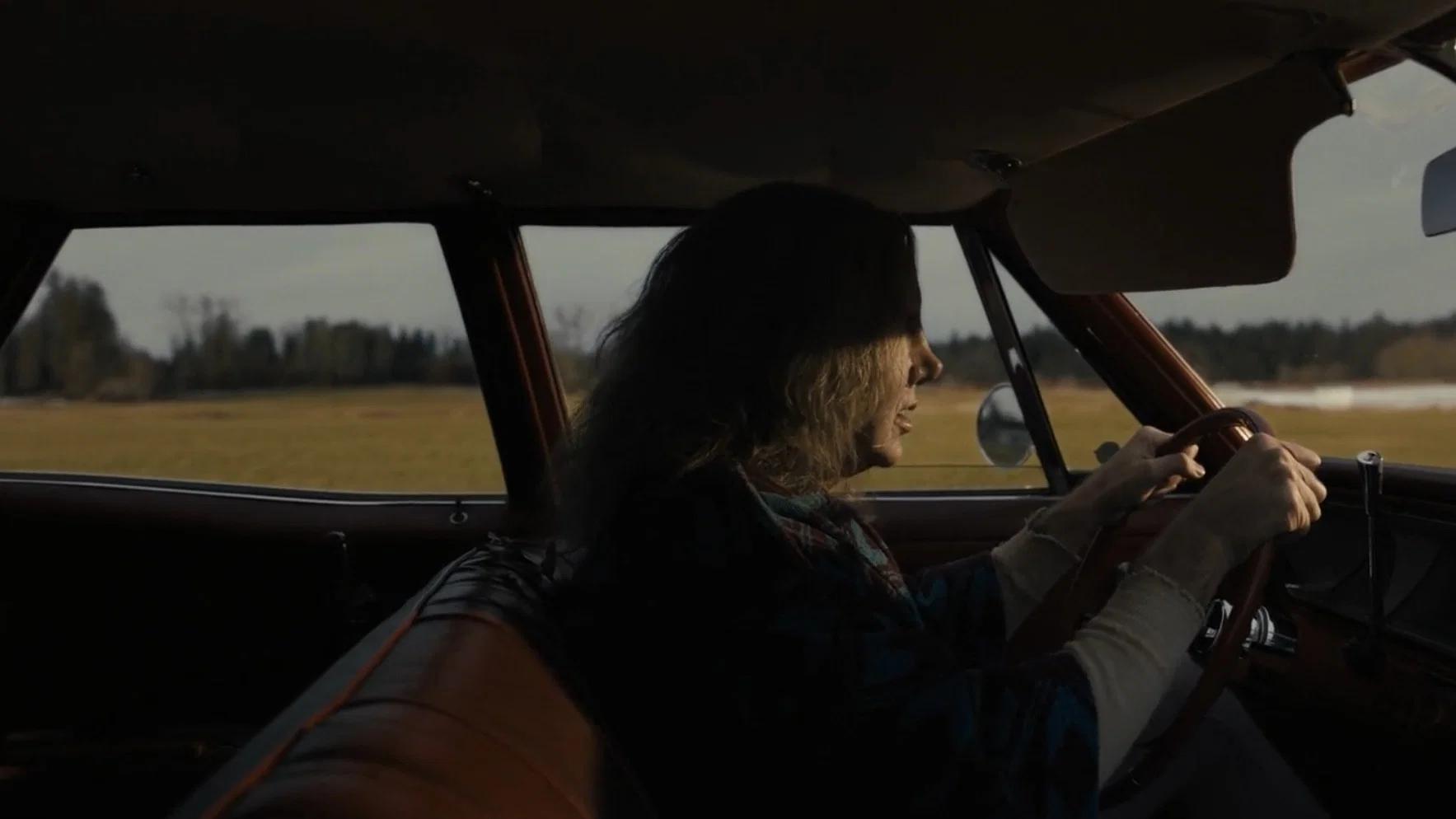
Maika Monroe delivers a committed, internalized performance as Lee Harker, creating a character whose emotional flatness could read as monotone but instead suggests someone fundamentally disconnected from normal human interaction. Monroe plays Harker as almost alien in her affect, making her psychic abilities feel less like superpower and more like psychological damage made manifest. It's an intentionally off-putting performance that serves the film's general sense of wrongness.
Nicolas Cage's performance as Longlegs represents the film's most divisive element—and the centerpiece of its marketing campaign. Cage, heavily made up and adopting a breathy, sing-song voice, creates a character who feels more like grotesque caricature than genuinely threatening presence. The performance is interesting rather than terrifying, Cage committing fully to choices that feel deliberately theatrical and strange. Whether this works depends entirely on individual tolerance for Cage's particular brand of committed weirdness. The marketing suggested something generation-defining; the reality is more "unsettling character study" than "nightmare fuel."
Perkins's visual language demonstrates significant growth as a filmmaker, working with cinematographer Andrés Arochi to create images steeped in dread and unease. The film's use of the 4:3 aspect ratio creates claustrophobic framing that makes every scene feel confined and uncomfortable. The muted color palette—washed-out blues and grays punctuated by occasional shocking reds—establishes a world that feels perpetually overcast and unwelcoming.
The production design creates environments that feel authentically period (1990s) without being overly nostalgic or stylized. The FBI offices, suburban homes, and rural locations all feel lived-in and real, making the supernatural intrusions more effective when they occur. The infamous dolls—Longlegs's occult creations—achieve genuine creepiness through practical effects and unsettling design.
Zilgi's score deserves recognition for creating sustained unease through ambient drones, discordant strings, and industrial noise. The music never provides relief or comfort, instead maintaining constant low-level anxiety that keeps viewers perpetually on edge. The sound design amplifies this approach, using subtle audio manipulation to make ordinary environments feel threatening.
Where Longlegs excels is in its atmosphere and sense of mounting dread. Perkins understands how to create discomfort through precise control of pacing, framing, and sound. The film's first act, particularly, achieves remarkable tension through patient buildup and carefully controlled information release. The mystery unfolds with genuine intrigue, even if the eventual revelations don't quite match the sophisticated dread that preceded them.
The film's approach to its supernatural elements demonstrates both ambition and occasional uncertainty. The occult conspiracy involving demonic possession, ritualistic murder, and Satanic manipulation feels simultaneously underexplored and over-explained—the film gives us enough detail to understand the mechanics while leaving crucial emotional and thematic elements underdeveloped.
Perkins's direction shows strong command of individual sequences and atmospheric control, though the overall narrative doesn't always cohere as satisfyingly as the parts suggest. The pacing, deliberately slow throughout, serves the atmosphere but occasionally tips into sluggish. The film trusts audiences to engage with material that refuses easy answers or conventional thriller satisfaction.
The third act revelation—involving Lee's mother and childhood trauma—provides psychological depth while potentially undermining some of the film's more interesting ambiguities. The personal connection between Lee and Longlegs feels both dramatically necessary and slightly disappointing, reducing cosmic evil to family dysfunction in ways that feel overly familiar.
What's most interesting about Longlegs is how it functions as case study in marketing versus product. The campaign promised something revolutionary, a film that would redefine horror for a new generation. The reality is more modest—a well-crafted, atmospheric thriller that works on its own terms but doesn't quite reach the transcendent heights the marketing implied. This isn't failure; it's the inevitable result of expectations management gone perhaps too well.
The film's technical execution is consistently strong, with professional craft evident in every frame. The cinematography, production design, editing, and sound work all serve Perkins's vision effectively, creating a cohesive aesthetic world even when the narrative doesn't fully capitalize on that foundation.
Longlegs ultimately succeeds as atmospheric horror that prioritizes mood and unease over conventional scares or revelations. It's a film for audiences willing to engage with slow-burn dread and ambiguous supernatural elements, though it may frustrate those seeking the generation-defining masterpiece the marketing campaign suggested.
The performances, technical craft, and atmospheric control all demonstrate genuine skill and vision. Perkins has created something that works as effectively creepy thriller even if it doesn't achieve masterpiece status. The film proves that "very decent" can still mean worthwhile, that solid execution of familiar elements can create satisfying horror experience.
What Longlegs teaches us is that sometimes the most brilliant horror happens in the marketing department rather than on screen—and that's not necessarily a criticism of either. The campaign was a genuine cultural event, creating conversation and anticipation in ways that benefited both the film and horror genre generally. That the film itself couldn't fully live up to those impossible expectations doesn't diminish what it does achieve.
Longlegs stands as reminder that horror marketing has become art form in its own right, and that very decent filmmaking surrounded by brilliant promotion can create cultural moments that transcend the work itself. Perkins has made a solid, atmospheric thriller that demonstrates his growing command of horror craft. That it arrived wrapped in one of the great marketing campaigns in recent horror history is fascinating context rather than damning critique. Sometimes the journey—including the anticipation, speculation, and conversation—matters as much as the destination. And sometimes "very decent" is exactly what you need, even if the buildup promised transcendence.